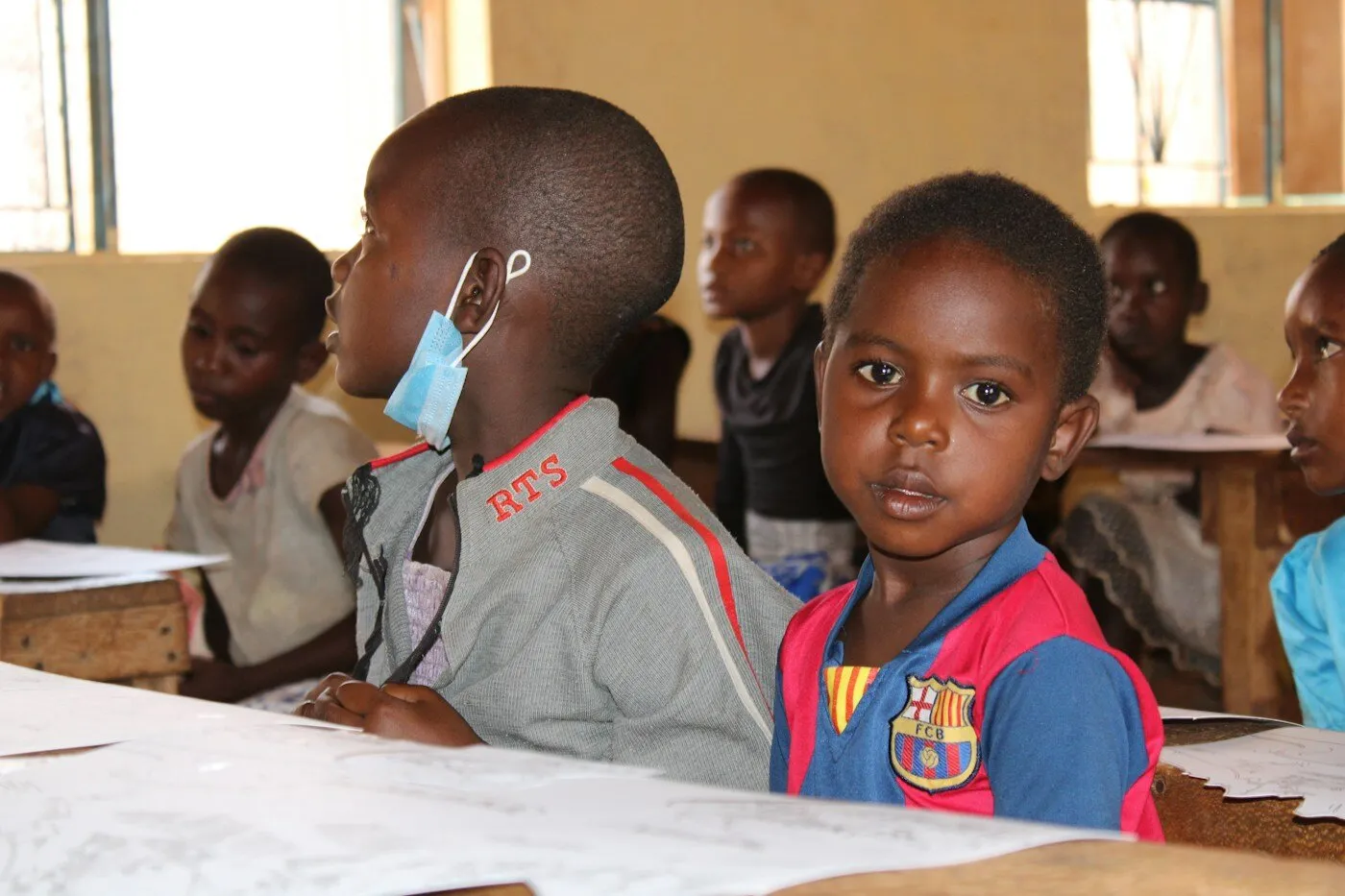
Your four-year-old starts PP1 and comes home every day with paint on their uniform, a new song in Kiswahili and a drawing of something that might be a cow. There are no marks. No homework. No exam at the end of term. You start to wonder whether the school is actually teaching them anything.
They are. Kenya's CBE pre-primary phase is deliberately designed this way, and the research behind it is solid. This guide explains what PP1 and PP2 actually cover, how your child's progress is tracked without a single exam paper, and what you can do at home to support it.
The Two Pre-Primary Years
PP1 and PP2 are the first two years of Kenya's 2-6-3-3-3 education structure. PP1 is for children who are approximately four years old. PP2 is for children who are approximately five years old. Both years sit before Grade 1 and are entirely activity-based.
| Year | Typical Age | Key Focus | Assessment |
|---|---|---|---|
| PP1 | Around 4 years | Foundation skills, play, language exposure | Teacher observation only |
| PP2 | Around 5 years | Pre-literacy, pre-numeracy, school readiness | Teacher observation only |
There are no national exams at pre-primary level. There are no marks out of 100. There is no KNEC assessment until Grade 6. This is not a lower standard. It is age-appropriate design based on how young children actually develop.
The Five Activity Areas
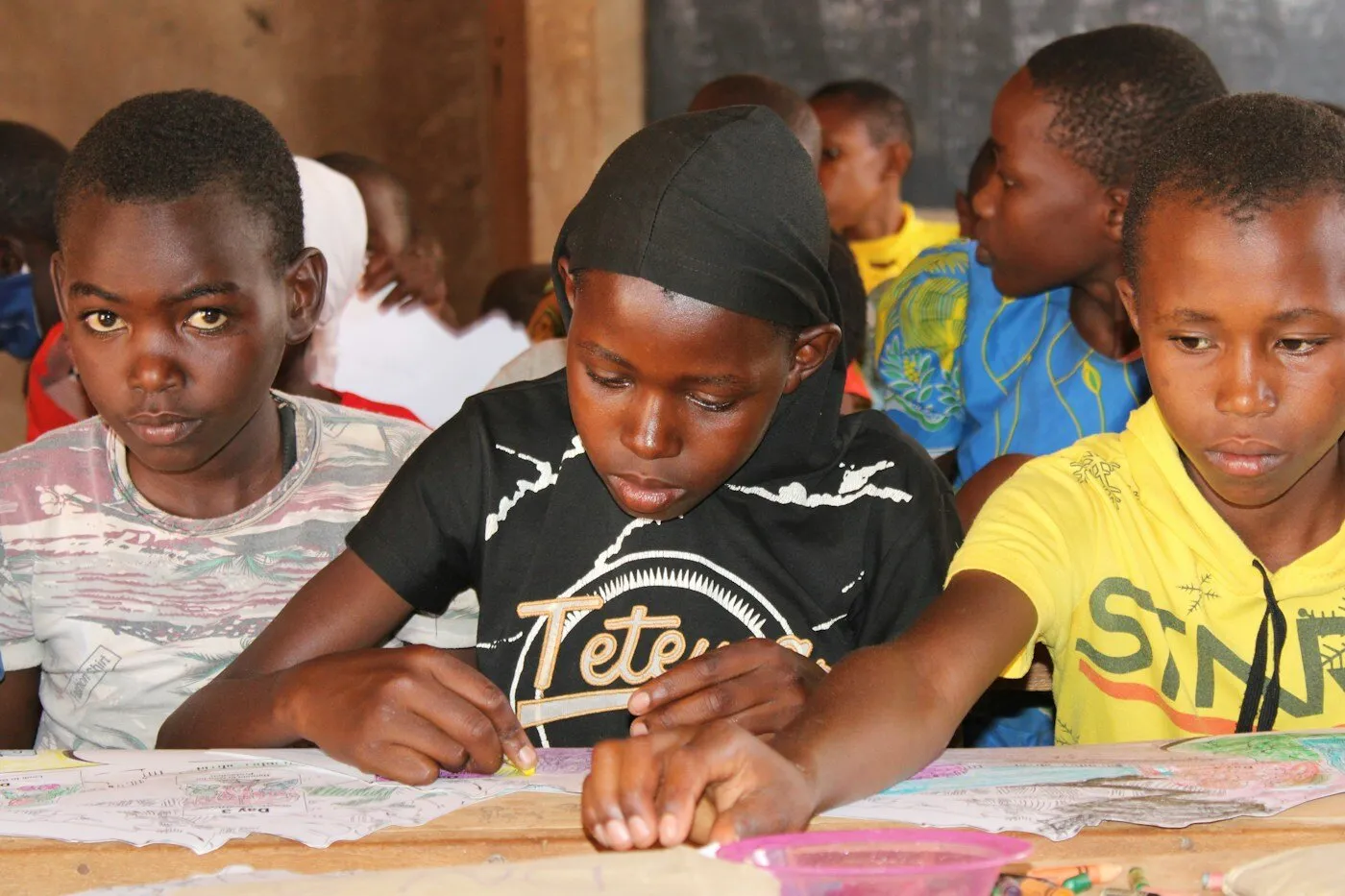
KICD organises pre-primary learning into five activity areas. These are the equivalent of subjects at higher grades, but they are delivered through play, song, movement and exploration rather than formal lessons.
Language Activities cover speaking, listening and early reading readiness. Children learn to recognise letters and sounds in English, Kiswahili and their mother tongue. By the end of PP2, most children can recognise simple words and speak in full sentences.
Mathematical Activities cover counting, number recognition, basic shapes, patterns and position words such as above, below and next to. No formal arithmetic operations are expected at PP1. By PP2, children should recognise and write numbers up to 20.
Environmental Activities introduce children to the natural world, their community and basic social awareness. Plants, animals, weather, family and neighbourhood are all covered here.
Psychomotor and Creative Activities develop both gross motor skills such as running, jumping and throwing, and fine motor skills such as cutting, drawing and threading beads. These physical skills directly support the pencil control children will need for writing in Grade 1.
Religious Education covers CRE, IRE or HRE depending on family choice. It focuses on basic stories, values and songs appropriate to the age group.
What Changes Between PP1 and PP2
The activities look similar from the outside. The difference is in the expected level of competency. PP2 gently raises the bar to prepare children for the transition into Grade 1.
| Skill Area | PP1 Expectation | PP2 Expectation |
|---|---|---|
| Numbers | Counts 1 to 10 with support | Counts to 20 independently, writes numerals |
| Pencil control | Holds crayon, scribbles with intention | Traces letters and numbers, copies shapes |
| Language | Speaks in short phrases | Speaks in full sentences, links sounds to letters |
| Social skills | Plays alongside others | Plays cooperatively, follows multi-step instructions |
How Progress Is Tracked Without Exams
Pre-primary teachers use observation checklists throughout each term. They record what each child can do across the five activity areas. At the end of term, parents receive a narrative progress report describing what their child has achieved and where they need more support.
This is not a lower quality of assessment. A teacher who has observed a child across dozens of small moments over an entire term has far more useful information than a single test score. The same underlying logic becomes the BE, AE, ME and EE grading system used throughout the rest of CBE. If you want to understand those grade levels, read our guide on CBE grading explained.
Common Mistakes Parents Make at Pre-Primary Level
Many parents worry that activity-based learning is not rigorous enough. This leads to some common mistakes that actually work against their child's development.
Demanding extra worksheets and homework is the most common one. Formal written work is not recommended at PP1 level. A child who is drilled with worksheets at age four may show a short-term lead that disappears by Grade 3, once the cost of lost play-based learning catches up.
Comparing children against each other on academic milestones is another. A wide range of normal exists at four and five years old. A child who cannot yet write letters at PP1 is not behind. Letter writing is a Grade 1 expectation, not a PP1 one.
Treating play as time off from learning is also a mistake. Play is the primary delivery mechanism for pre-primary competencies. The outdoor running session is building gross motor control. The counting game with bottle caps is building pre-numeracy. Every part of the day is intentional.
What You Can Do at Home
The single most effective thing a PP1 or PP2 parent can do is read aloud to their child for 15 to 20 minutes every day. Picture books and simple storybooks in English or Kiswahili. Talk about the pictures. Ask what they think will happen next. The vocabulary a child hears at home in these years builds their academic future more reliably than any tutor or app.
Preparing for Grade 1
Towards the end of PP2, the curriculum gently raises expectations to prepare learners for Grade 1, where formal strand-based teaching and the first written assessments begin. A PP2 learner who has had consistent read-aloud time, plenty of fine motor practice and exposure to numbers in daily life will find the shift into Grade 1 far less difficult than one who arrives without that foundation.
When your child moves into Grade 1, the learning areas become more structured and the grading system changes. Our guide on what BE, AE, ME and EE mean will help you understand the report cards from Grade 1 onward.
Trust the Process
Your child singing, drawing, counting stones and telling you stories is not wasting time. That is the curriculum working exactly as designed. Support it at home with reading, talking and play. The marks will come at Grade 1, when your child is developmentally ready for them. The foundation being built right now in PP1 and PP2 is the one everything else sits on.