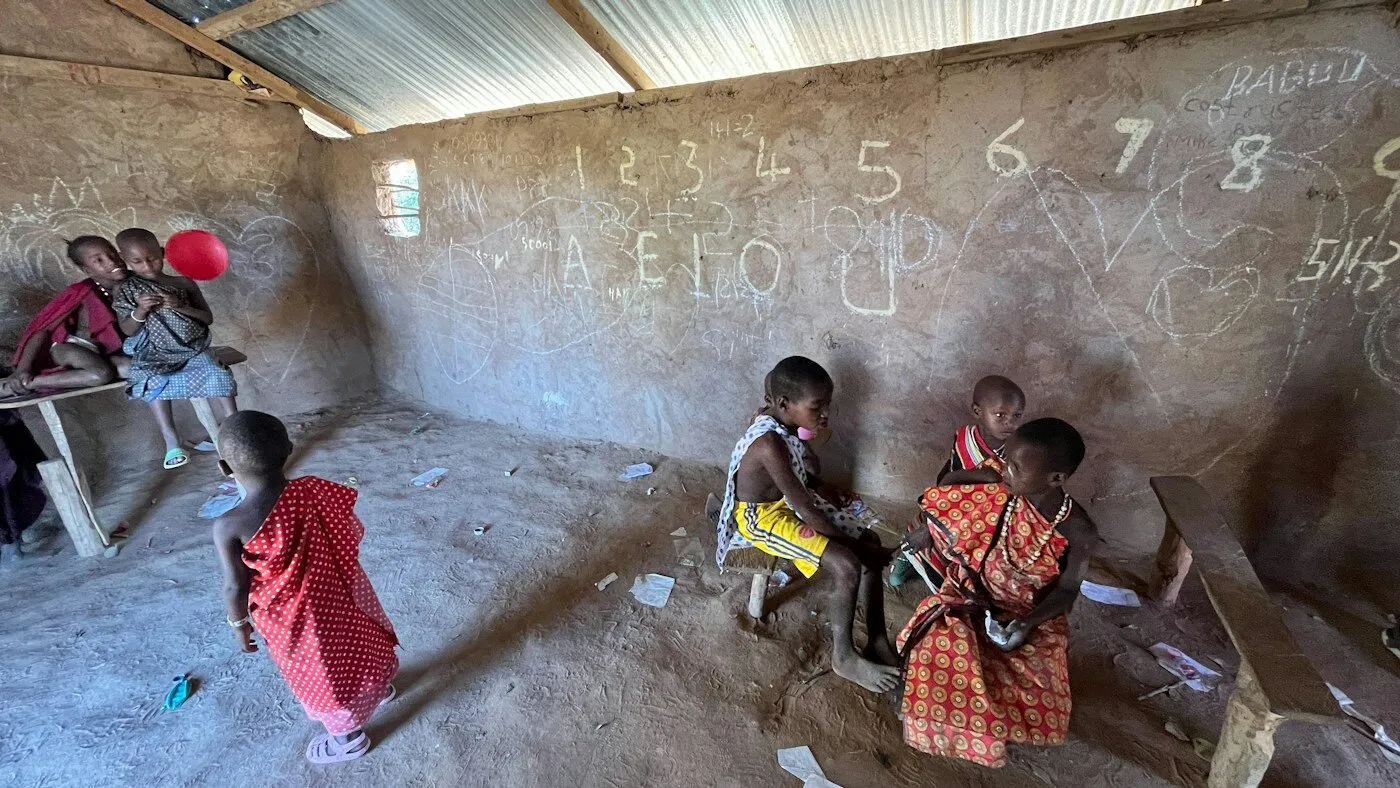
Grade 7 is not just a new class. It is a new school, a new set of teachers, nine learning areas studied simultaneously, and an assessment system that starts building the score that will place your child in senior school three years from now. Here is what your child is walking into.
The Grade 6 to Grade 7 Transition
Under CBE, Grade 7 marks the move from primary school to junior secondary school. In most cases this means a physical change of school — from a primary school to a junior secondary school or a combined school that hosts both levels. The learning environment, the teaching style and the expectations all change significantly at this point.
The Nine Learning Areas in Grade 7
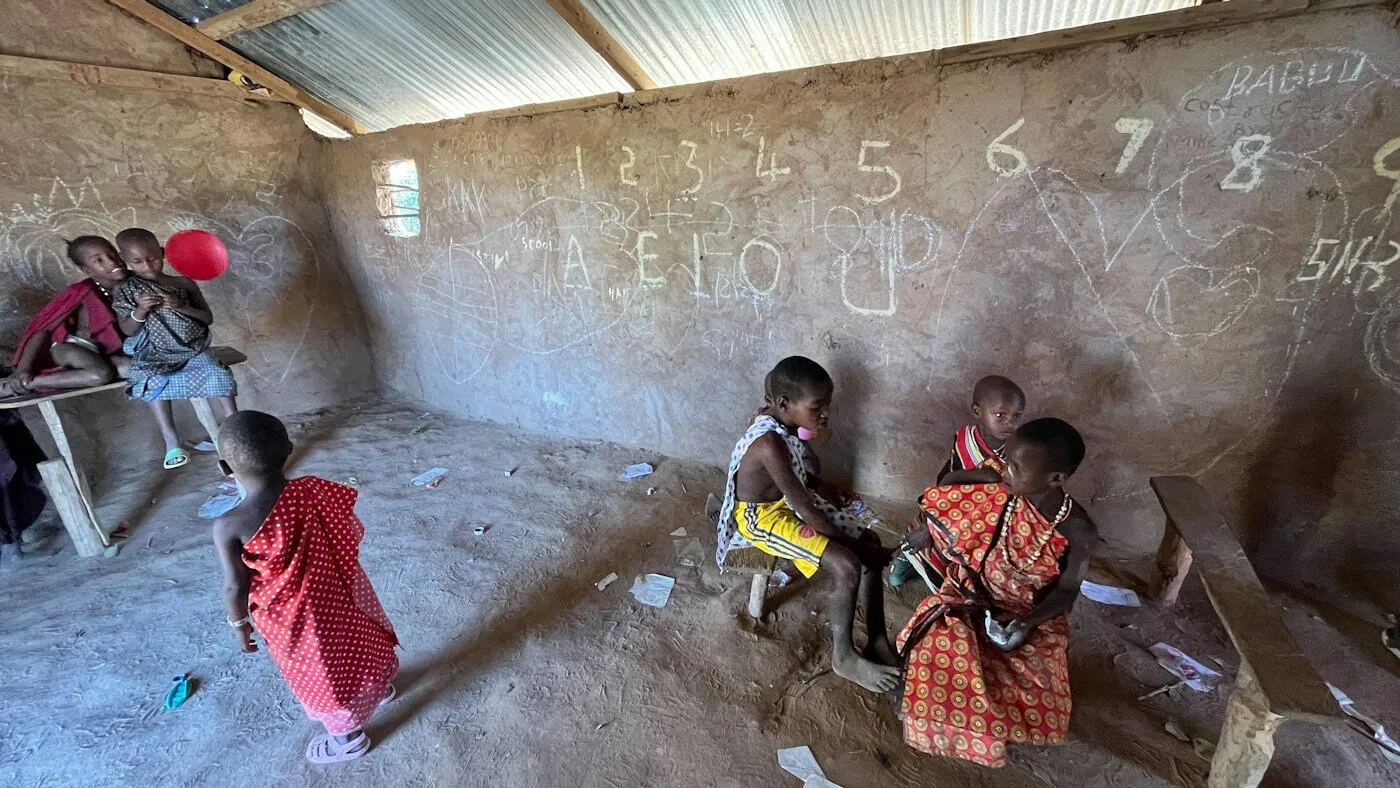
In Grade 7, your child studies nine learning areas simultaneously. All nine are compulsory. There are no optional subjects at this stage. This is a significant increase from the five learning areas assessed at KPSEA in Grade 6.
| Learning Area | Lessons Per Week | What It Covers in Grade 7 |
|---|---|---|
| English | 5 | Reading, writing, grammar, oral skills and literature introduction |
| Kiswahili or Kenya Sign Language | 4 | Reading, writing, grammar, oral communication and Kenyan literature |
| Mathematics | 5 | Algebra foundations, geometry, statistics, measurement and financial mathematics |
| Integrated Science | 5 | Basic biology, chemistry, physics and environmental science combined into one subject |
| Health Education | 2 | Personal hygiene, nutrition, puberty, disease prevention and mental health basics |
| Pre-Technical Studies | 4 | Technical drawing, basic woodwork, metalwork, electricity and design principles |
| Social Studies | 4 | Kenya geography, African history, civics, global citizenship and current affairs |
| Agriculture | 4 | Soil science, crop production, animal husbandry and basic agribusiness |
| Creative Arts and Sports | 4 | Visual arts, music, performing arts and physical education combined |
Learners also choose one religious education subject — Christian Religious Education, Islamic Religious Education or Hindu Religious Education — which is taught as part of the Social Studies learning area.
How Assessment Works in Grade 7
Grade 7 is the first year that School-Based Assessment scores are recorded and uploaded to KNEC. These scores will contribute 20 percent of your child's senior school placement at Grade 10. Assessment in Grade 7 happens continuously throughout the year through three types of tasks.
| Assessment Type | When It Happens | Who Administers It |
|---|---|---|
| Formative assessment | Ongoing — every lesson and topic | Class teacher |
| School-Based Assessment tasks | Each term — specific tasks per learning area | Class teacher, uploaded to KNEC |
| End-of-term examinations | End of each term | School — not uploaded to KNEC |
End-of-term examination results are reported to parents on the school report card but do not directly feed into the national placement calculation. The SBA tasks uploaded to KNEC are what count toward placement.
How to Support Your Child in Grade 7
Related Guides
- School-Based Assessment Explained: Why It Counts More Than Most Parents Know
- KPSEA Explained: What Every Parent Needs to Know About the Grade 6 Assessment
- CBE Grading Explained: What BE, AE, ME and EE Mean
The Bottom Line
Grade 7 is where the placement clock starts ticking. Nine learning areas, SBA scores being recorded from day one, and a completely new school environment. The parents who understand this from the first week of Grade 7 give their children the best possible foundation for what comes at Grade 10.