
Your child finished Grade 6 and is now in Grade 7 at a junior secondary school. Everything has changed. New school, new teachers, nine learning areas instead of the subjects they knew, and a completely different assessment system. Many learners and parents feel lost in this transition and do not know what to expect.
This guide explains exactly what the junior secondary transition involves, what changes for learners, what stays the same and what parents need to do to support their child through it.
What Changed at Grade 7
The transition from Grade 6 to Grade 7 is the biggest structural change in Kenya's CBE system. Before Grade 7, learners were in primary school studying a set of familiar subjects. From Grade 7, they enter junior secondary school with a fundamentally different structure.
| Area | Grade 6 and Below | Grade 7 and Above |
|---|---|---|
| School type | Primary school | Junior secondary school, which may be separate or attached to primary |
| Learning areas | 7 to 8 subjects | 9 learning areas plus Creative Arts and Sports |
| Assessment | CBA and KPSEA at Grade 6 | CBA, SBA and KJSEA at Grade 9 |
| Teachers | Class teacher for most subjects | Subject specialist teachers for each learning area |
| School hours | Typically shorter day | Longer school day to accommodate nine learning areas |
| Homework and projects | Relatively light | More demanding, includes SBA projects and practical work |
The Nine Learning Areas
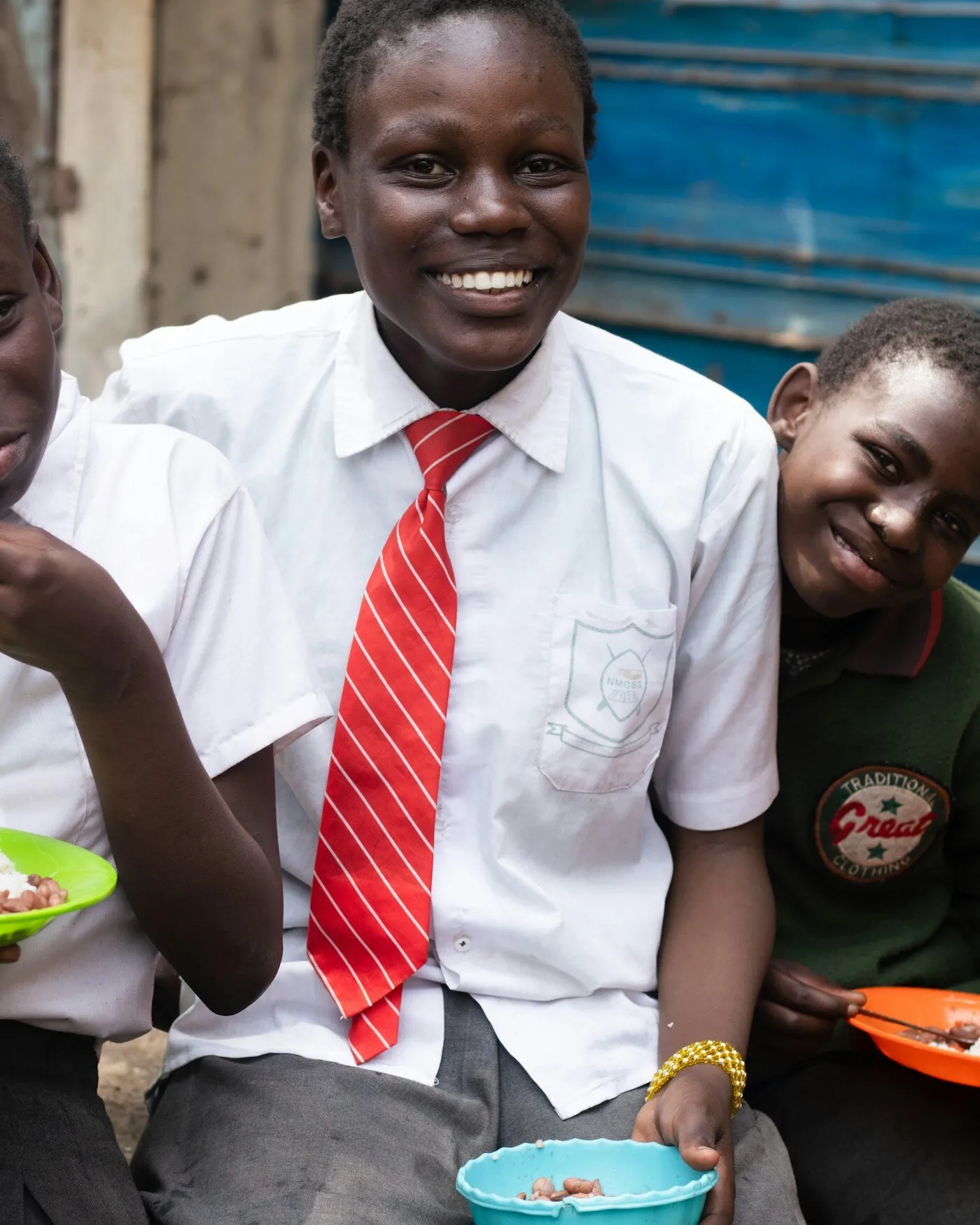
Every Grade 7 learner in Kenya studies the same nine learning areas. There is no subject selection at junior secondary level. The nine areas are English, Kiswahili, Mathematics, Integrated Science, Pre-Technical Studies, Social Studies, Business Studies, Agriculture and Religious Education. Creative Arts and Sports is also part of the timetable.
For parents who want a detailed breakdown of what each learning area covers in Grade 7, read our guide on CBE Grade 7 explained.
SBA Starts in Grade 7
One of the most important things parents need to understand about the junior secondary transition is that School-Based Assessment begins in Grade 7 and the scores count. SBA contributes 20 percent of the senior school placement score that is calculated at the end of Grade 9. Every SBA task your child completes in Grade 7 is building toward that 20 percent.
This means that a learner who is frequently absent in Grade 7, who misses SBA tasks or who does not take project work seriously is already losing placement points two years before KJSEA. The transition into junior secondary is not a settling-in period where results do not matter. Results matter from day one of Grade 7.
Senior school placement uses a 60/20/20 formula. KJSEA at Grade 9 counts for 60 percent. SBA across all three junior secondary years counts for 20 percent. The SBA component begins accumulating from the first term of Grade 7. There is no reset at Grade 8 or Grade 9.
Common Challenges in the Transition
The most common challenge learners face in Grade 7 is managing nine different learning areas with nine different teachers. In primary school, one class teacher handled most subjects and knew each learner well. In junior secondary, a learner may interact with nine or more different teachers in a single day. Building relationships with each teacher and keeping track of different homework deadlines, project requirements and assessment dates requires organisational skills that many Grade 7 learners have not yet developed.
The second common challenge is Integrated Science. This learning area combines biology, chemistry and physics into one subject. Many learners find the breadth of content overwhelming at first, particularly the practical work in the laboratory. Learners who struggled with Science in primary school need additional support in Grade 7 Integrated Science before the gap becomes too wide to close.
Pre-Technical Studies is another area where many learners struggle initially. It involves technical drawing, workshop tools and construction basics that most learners have had no prior exposure to. The practical nature of the subject is an advantage for learners who learn by doing, but it requires proper facilities and a qualified teacher to be taught effectively.
What Parents Should Do
The Learner Assessment Number
Every learner in Kenya receives a unique Learner Assessment Number from KNEC from Grade 3 onward. This number is used to track SBA records, assessment results and the learner profile across all grades. Parents should confirm that their child's LAN is correctly recorded at the junior secondary school, particularly if the child has transferred from a different primary school. A LAN that is incorrectly recorded can cause problems with SBA record linkage and eventually with KJSEA results.
Three Years That Shape the Next Three
Junior secondary is not a bridge between primary and senior school. It is a full three-year programme where real assessment scores accumulate, real competencies are built and real pathway preferences emerge. The learner who takes Grade 7 seriously, attends consistently, completes every SBA task and addresses weaknesses early will arrive at Grade 9 and KJSEA in a far stronger position than one who treats the first year as a settling-in period. The transition matters. Start it right.