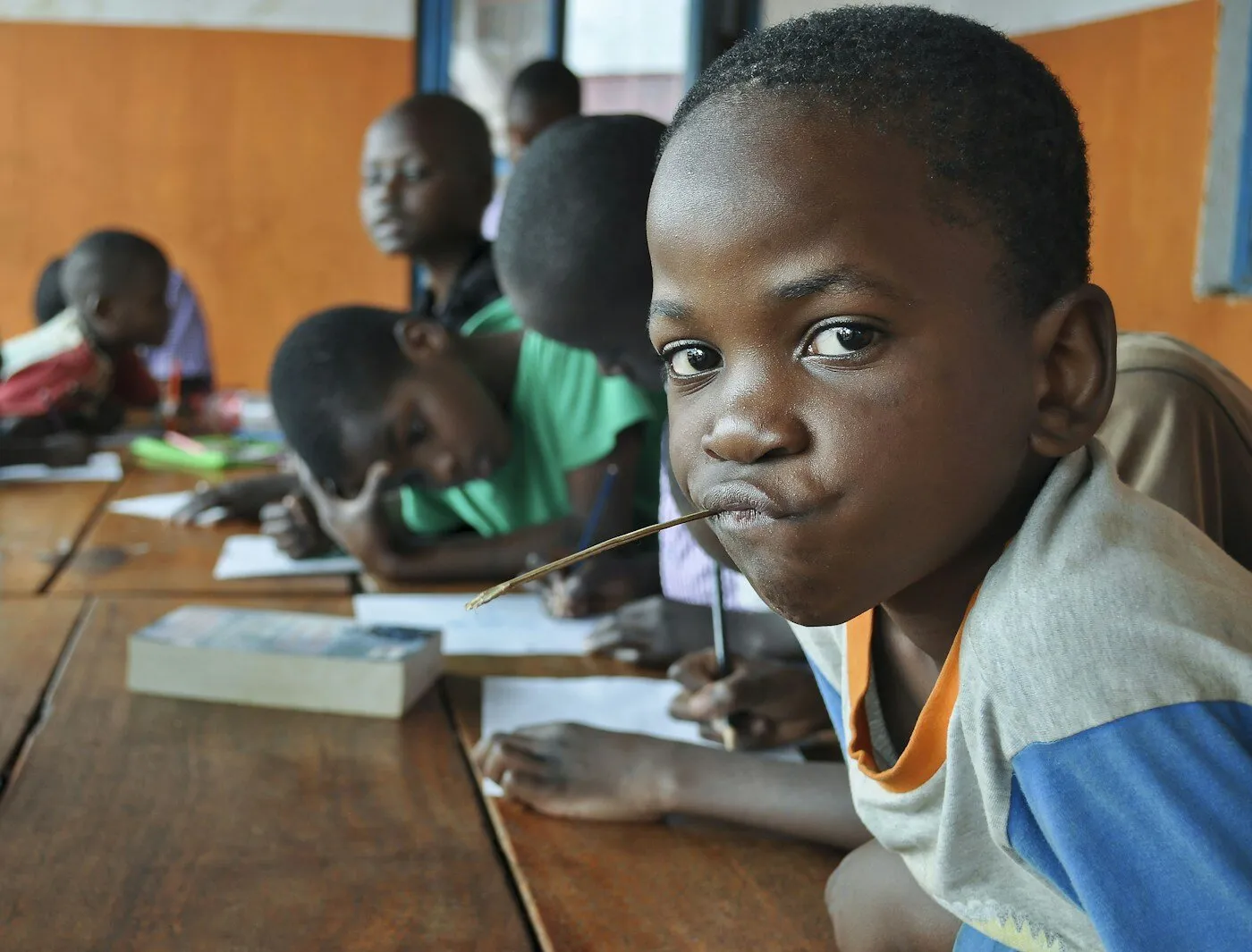
Over 1.1 million Grade 9 learners sat the first KJSEA in October 2025. Results came out in December and parents across Kenya drove to schools on a public holiday to understand what the numbers meant. This guide gives you everything you need before that moment arrives for your child.
What KJSEA Is
KJSEA stands for Kenya Junior School Education Assessment. It is the national assessment administered by KNEC at the end of Grade 9. Every Grade 9 learner in Kenya sits KJSEA. It is the single largest component of the formula that determines which senior school your child enters at Grade 10, contributing 60 percent of the final placement score.
The Nine Learning Areas
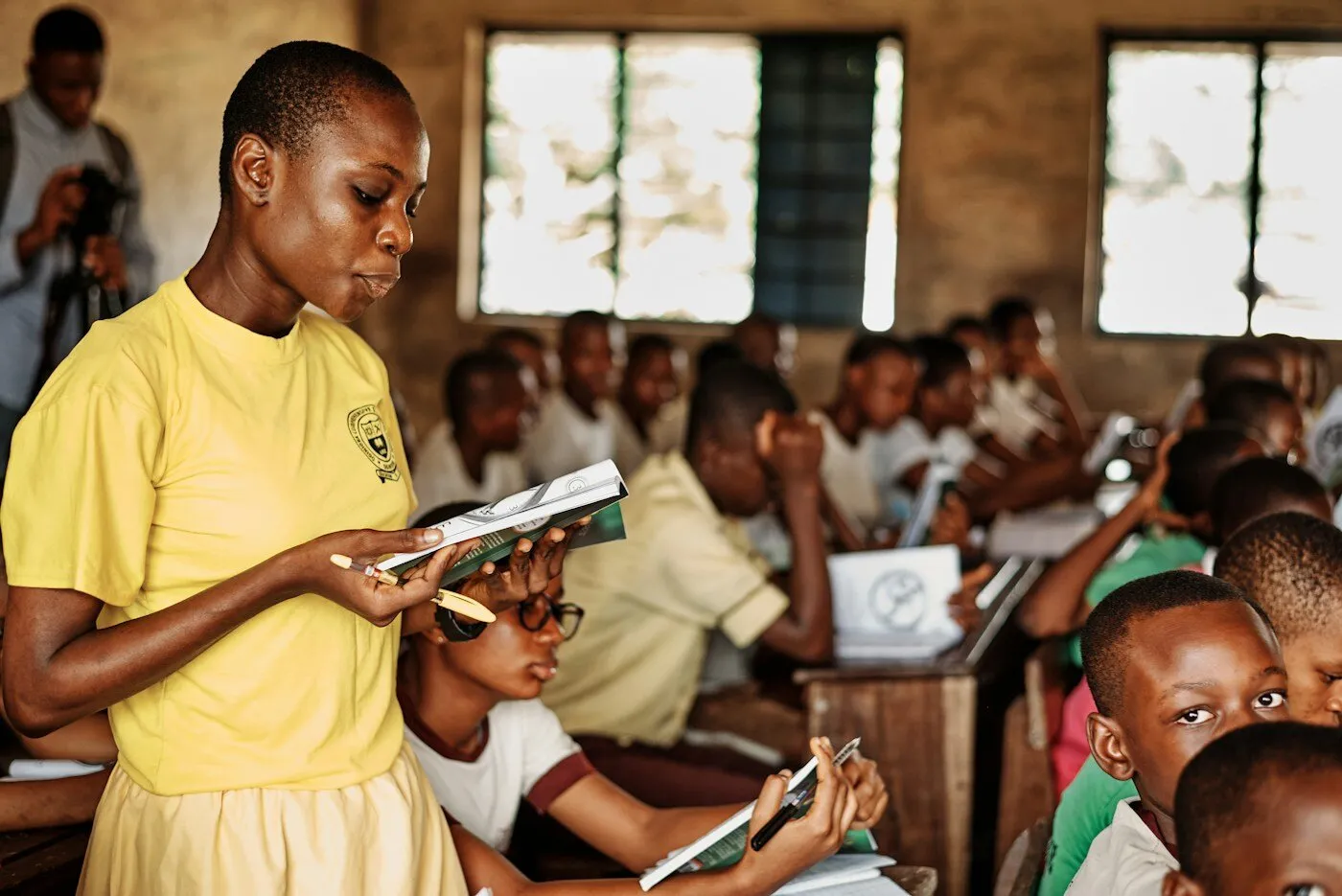
KJSEA assesses all nine learning areas studied across Grades 7, 8 and 9. All nine are compulsory. There are no optional subjects at this stage.
| # | Learning Area | What It Covers |
|---|---|---|
| 1 | English | Reading, writing, grammar, oral and listening skills |
| 2 | Kiswahili or Kenya Sign Language | Reading, writing, grammar and oral communication |
| 3 | Mathematics | Algebra, geometry, statistics, measurement and problem solving |
| 4 | Integrated Science | Biology, chemistry, physics and environmental science combined |
| 5 | Health Education | Personal health, community health, nutrition and disease prevention |
| 6 | Pre-Technical Studies | Technical drawing, basic construction, electricity and design |
| 7 | Social Studies | Geography, history, civics and global citizenship |
| 8 | Agriculture | Crop production, animal husbandry, soil science and agribusiness |
| 9 | Creative Arts and Sports | Visual arts, performing arts, music and physical education |
How KJSEA Is Scored
Each of the nine learning areas is assessed on an eight-point scale using the four CBE performance levels split into two sub-levels. The maximum score across all nine learning areas is 72 points.
| Level | Sub-level | Points | Score Range |
|---|---|---|---|
| Exceeding Expectation | EE1 | 8 | 90% to 100% |
| Exceeding Expectation | EE2 | 7 | 75% to 89% |
| Meeting Expectation | ME1 | 6 | 58% to 74% |
| Meeting Expectation | ME2 | 5 | 41% to 57% |
| Approaching Expectation | AE1 | 4 | 31% to 40% |
| Approaching Expectation | AE2 | 3 | 21% to 30% |
| Below Expectation | BE1 | 2 | 11% to 20% |
| Below Expectation | BE2 | 1 | 1% to 10% |
How KJSEA Feeds Into Placement
KJSEA contributes 60 percent of the final weighted score. KNEC converts the combined score into a standardised z-score to allow fair comparison across all schools and regions nationally. The z-score, not the raw points total, determines placement cluster.
| Component | Weight |
|---|---|
| KJSEA — Grade 9 national assessment | 60% |
| KPSEA — Grade 6 national assessment | 20% |
| SBA — Grades 7 and 8 combined | 20% |
How to Check KJSEA Results
Results are released by KNEC in December of the assessment year through three channels.
Related Guides
- KPSEA Explained: What Every Parent Needs to Know About the Grade 6 Assessment
- How Senior School Placement Works: The Complete 60/20/20 Guide
- CBE Senior School Pathways: STEM, Social Sciences and Arts Explained
The Bottom Line
KJSEA is the most important single assessment in your child's CBE journey. Nine learning areas, 72 points maximum, results in December. It decides 60 percent of where your child spends the next three years. Understand it now, support consistently across Grades 7 to 9, and the result will reflect the work.